
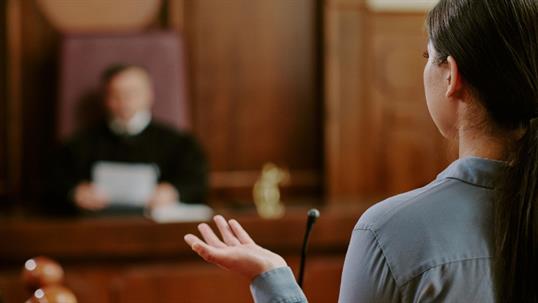
Facing criminal charges in California can be overwhelming and stressful. Many people feel uncertain about what to expect as their case moves through the court system. Understanding the key stages of a criminal case can help reduce anxiety and allow you to take informed steps to protect your rights. At The Law Office Of Christopher A. Lamiero, we guide our clients through every phase with clear advice and support, so they never feel alone during this challenging time.
Arrest and Initial Steps
The first stage of any criminal case begins with an arrest. Being arrested is often sudden and can leave defendants unsure of their rights. It’s important to know that you are not alone and that legal guidance is available. After an arrest, you will typically experience the following:
- Booking: Law enforcement records personal information, fingerprints, and photographs.
- Initial Detention: You may be held in jail until bail is set or a release is granted.
- Understanding Your Rights: You have the right to remain silent and the right to an attorney, which should be exercised immediately.
Recognizing these initial steps helps you stay calm and make informed decisions from the very start of your case.
Arraignment and Bail Considerations
Once formally charged, you will attend an arraignment, which is the defendant’s first appearance in court. This stage can feel intimidating, but knowing what to expect eases the process. During the arraignment, the court will address your plea and bail, if applicable. Key points include:
- Plea Entry: You will enter a plea of guilty, not guilty, or no contest.
- Bail Determination: The judge may set bail based on the charges, prior record, and flight risk.
- Legal Representation: Having an experienced attorney present ensures your rights are protected.
Understanding arraignment procedures allows you to navigate this critical stage with confidence and clarity.
Discovery and Pre-Trial Motions
After the arraignment, the case moves into discovery and pre-trial preparation. This stage is crucial for building a strong defense and addressing any legal issues before trial. At The Law Office Of Christopher A. Lamiero, we focus on thorough review and strategic planning during this phase.
Discovery allows both sides to exchange evidence, and pre-trial motions help clarify legal questions or challenge improperly obtained evidence. By engaging fully in this stage, defendants can strengthen their position and reduce surprises at trial.
Plea Negotiations and Trial Preparation
Many cases are resolved before trial through plea negotiations. Understanding this process and its implications is essential. During this stage, your attorney will review the evidence, discuss potential outcomes, and negotiate with the prosecution. Key aspects include:
- Evidence Review: Assessing the strength of the prosecution’s case and identifying weaknesses.
- Negotiation of Charges: Working to reduce charges or penalties when possible.
- Trial Readiness: Preparing for trial if a satisfactory agreement cannot be reached.
Even if a case does not settle through negotiation, thorough preparation ensures you enter trial with the best possible strategy and understanding of your rights.
Trial Process Overview
If a case proceeds to trial, it is important to understand what occurs in court. Trials are structured, and every participant has specific responsibilities. A knowledgeable attorney guides you through this phase, ensuring you know what to expect. Key elements include:
- Opening Statements: Both sides present a summary of their arguments to the jury.
- Presentation of Evidence: Witness testimony, documents, and physical evidence are submitted.
- Closing Arguments and Verdict: Each side summarizes the case, followed by the jury’s decision.
Knowing the trial process can reduce uncertainty and help you remain focused on the defense strategy developed by your attorney.
Sentencing and Appeals
After a conviction, sentencing follows. Even at this stage, there are steps you can take to protect your rights and pursue the best possible outcome. If a conviction occurs, an appeal may be an option. Important considerations include:
- Sentencing Hearing: The judge determines penalties based on the law and the circumstances.
- Appeal Options: Reviewing potential legal errors or grounds for challenging the conviction.
- Ongoing Legal Support: Your attorney remains an advocate, ensuring all options are explored.
Navigating a criminal case in California requires careful attention and professional guidance. At The Law Office Of Christopher A. Lamiero, we provide comprehensive support throughout every stage, from arrest to potential appeals. If you or a loved one is facing criminal charges, don’t go through the process alone. Contact us at (925) 259-3337 to discuss your case and protect your rights with experienced guidance.